Myofascial Release Techniques
Relax and Rejuvenate Your Body with Woodland Wellbeing Therapies
What is Myofascial Release?
💚FANTASTIC FASCIA!
This very underappreciated and underestimated tissue is absolutely crucial for support, protection, flexibility, and movement within the body.
🌿Ok, so what is fascia?
Fantastic fascia is a huge web of soft, dense connective tissue that, in its optimal condition, is loose, hydrated, and mobile. It runs from the top of the head to the bottom of the feet (or inside the hoof capsule in horses). It surrounds and intertwines with every single bone, muscle, organ, nerve, and blood vessel, providing support and protection, and — very importantly — allowing muscles to slide and glide against each other without interference.
🌿So, what is this super connective web made of?
• Collagen – providing strength and being highly resistant to pulling and stretching forces.
• Elastin – providing flexibility and resilience, allowing tissues to stretch and then return back to their original shape.
• Ground substance – a viscous, gel-like fluid primarily made of water and molecules, providing hydration and lubrication between fascial layers so muscles can slide and glide smoothly during movement.
And speaking of fascia… the photo was actually taken whilst I was making tea and got distracted by a chicken carcass in the kitchen, because apparently I can’t switch the anatomy brain off even for 5 minutes 😂
But honestly, chicken fascia is actually a brilliant way to see how fascia works! That thin, stretchy, slightly clingy web-like tissue you can see between the skin and muscle layers is fascia in action — supporting, connecting, protecting, and holding everything together. Once you start noticing it, you realise just how incredible (and important!) this tissue really is.
🌿So, what happens when fascia health isn’t optimal, or fascia becomes damaged or restricted?
Because fascia is the “web” that connects everything to everything else, a restriction in one area can have a profound effect somewhere completely different in the body — often nowhere near the original injury or pain site.
This can cause compensatory changes, stiffness, reduced range of movement, and pain in other structures.
An equine example would be a horse I recently attended with neck and TMJ pain and tension, alongside reduced gait function in the hind limb. Once treated and resolved, the horse regained full mobility in the hind limb.
A really good human example would be a period in my own life where I suffered with acid reflux, digestive issues, and intense abdominal pain. It actually turned out to be a fascial restriction in my mid-back region (T5–T10), and once treated, the symptoms completely disappeared.
Sadly, fascia is still incredibly overlooked in modern medicine, despite the vital role it plays in our overall health and wellbeing.
As I think I’ve demonstrated above, when fascia isn’t functioning optimally, it can cause:
• Pain
• Reduced range of movement
• Stiffness and reduced flexibility
• Tightness
• Muscular aching or burning sensations
• Referred pain and compensation patterns elsewhere in the body
Think of injured or restricted fascia like poking your finger into a spider’s web — it creates a pull effect on surrounding tissues and muscles, causing pain, restriction, and discomfort elsewhere. Left untreated, this can then place strain on other bodily structures too, leading to a vicious cycle.
🌿So, what causes myofascial restrictions, and how can we look after ourselves better?
Poor posture is definitely high up on the list — and this applies to both humans and equines!
Adding weight to a horse’s back without first addressing postural issues and ensuring adequate strength and conditioning will almost inevitably create compensatory patterns and stress on other structures, eventually leading to pain and injury — something I’ve spoken about many times on my equine therapy page.
For humans, prolonged phone use, poor driving posture, hunching over desks during long periods of work, or repetitive physical labour can all contribute to fascial restrictions too.
Other causes include (and this definitely isn’t an exhaustive list!):
• Repetitive strain
• Stress
• Being one-sided — always carrying a bag on the same shoulder, crossing the same leg, or sleeping on the same side
• Joint pain or muscular injuries
• Inflammation and other health conditions
• Athletes and overtraining
• Sedentary lifestyles and lack of exercise/muscle tone
• Dehydration — fascia relies heavily on hydration, and reduced fluid intake can make tissues become “sticky”, which negatively impacts movement and flexibility. Definitely something we should all be mindful of during this lovely heatwave we’ve been having!
So how do we take better care of our fascia?
• Maintain good posture
• Drink plenty of water
• Movement! Stretching and exercise are hugely important — yoga in particular can be incredibly beneficial for stretching and lengthening fascial layers.
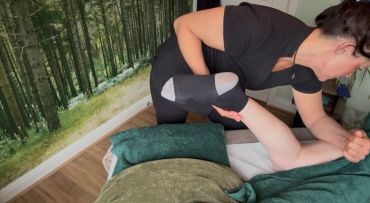
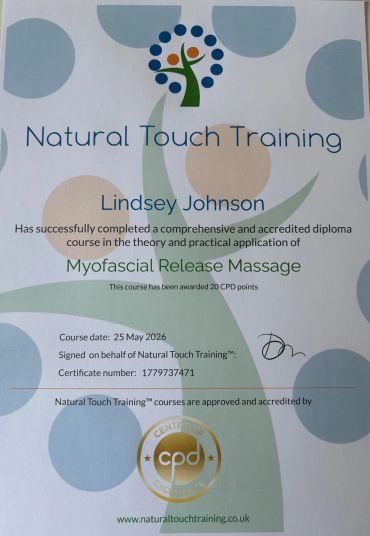
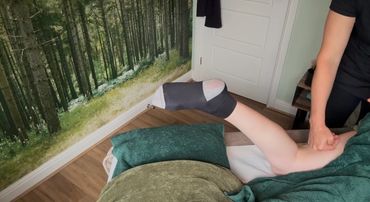
🌿So obviously I’m now proud as punch to be able to offer these new myofascial techniques to my clients after gaining this qualification! Another valuable tool added to the toolbox, helping humans and equines live happier, healthier, stronger, and more comfortable lives.
Some common complaints and areas treated include:
• Neck and back soreness
• Tight shoulders and hips
• Knee pain
• Tennis elbow
• Tired, sore, aching legs
• General stiffness and reduced mobility
🌿Treatment Approach
Myofascial Release techniques are incorporated into treatments where appropriate and tailored to each individual client and their needs.
Treatment sessions focus on identifying areas of restriction, tension, compensation, and reduced mobility within the body, using a combination of therapy techniques to encourage release, improve movement, reduce discomfort, and help the body function more comfortably overall.
These techniques can be beneficial not only for existing pain and restrictions, but also for supporting posture, mobility, recovery, flexibility, and general wellbeing.
Booking & Enquiries
If you’d like to find out more about treatments or discuss whether myofascial techniques may benefit you, feel free to get in touch.